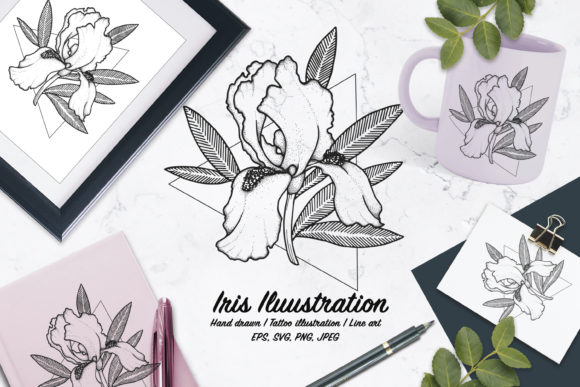
Iris Illustration Line Art Vector: A Doodled Delight for Embroidery Projects
As a seasoned embroidery designer with years of hands-on experience, I’ve seen countless digital illustrations come and go. Some are perfect for stitching, others not so much. When I first opened the Iris Illustration. Line Art Vector, I was immediately drawn to its soft, hand-drawn charm. This doodle-style design exudes a gentle, artistic vibe that feels both modern and timeless. It’s the kind of illustration that whispers “handmade” even in its digital form — and that can be incredibly valuable when you're crafting custom items or designing for your craft business.
First Impressions: Mood, Layout, and Visual Personality
The Iris Illustration is clean, minimalistic, and detailed just enough. The line art is smooth without being overly intricate, which makes it ideal for embroidery where stitch clarity is key. Its organic shape and floral theme give it a versatile personality — it can feel whimsical on a tote bag but also elegant on a wedding invitation card. As an embroidery file, it’s designed with balance in mind, avoiding unnecessary clutter while still offering visual interest through subtle curves and petals.
This design would naturally fit into projects like sweatshirt embroidery, tote bag designs, or even as part of a set of nursery decor elements. It doesn’t scream for attention but holds its own with quiet sophistication. For hobbyists and Etsy sellers alike, this is the kind of graphic that can elevate a basic item into something memorable and marketable.
Real-Life Use Case: Custom Tote Bag Design
Let’s imagine a practical scenario: You’re preparing a batch of custom embroidered tote bags for a boutique client. The Iris Illustration would work beautifully here. Positioned off-center, it adds a touch of creativity without overwhelming the product. On medium-weight cotton canvas, the line art translates well into running stitches or satin stitch outlines, depending on how you choose to render it.
When stitched, the doodle style retains its sketch-like quality, giving the finished product a handmade aesthetic. Customers love the uniqueness of such designs, especially if they align with themes like springtime, mindfulness, or botanical beauty. But don’t take my word for it — always test the design on scrap fabric before committing to production. Check how the lines hold up on different materials and how the stitch density interacts with the fabric texture.
Performance Across Embroidery Projects
Embroidery files like Iris Illustration. Line Art Vector offer more than just visual appeal; they need to perform across various applications. Here's how it stands up in different real-life situations:
- Custom Apparel: Ideal for sweatshirts and t-shirts, especially when paired with simple text or another complementary doodle.
- Baby Clothes & Baby Items: The softness of the iris motif suits baby embroidery perfectly, adding a delicate flourish without being too busy.
- Patches and Aprons: As an embroidered patch or applique design, the iris works well when framed neatly, making it suitable for small shop products or personalized gifts.
- Home Decor: Pillow covers and tea towels benefit from the repeating nature of the design. Just ensure the hoop size allows for consistent placement.
- Holiday and Wedding Gifts: The iris is a classic symbol of hope and harmony — a subtle yet meaningful choice for holiday embroidery or wedding gift embellishments.
- Digital Product Previews: If you're selling digital embroidery files on Etsy, this design looks great in printable mockups and fits seamlessly into design assets for commercial use.
What I appreciate most is how adaptable it is. Whether you’re working with fill stitch for a bold statement or using running stitch for a more delicate effect, the doodle style remains intact. That adaptability is crucial for creative entrepreneurs who may want to use the same design across multiple product types and price points.
Where to Use With Care
While the Iris Illustration has broad appeal, there are a few areas where caution is needed:
- Small Hoop Sizes: The design is fairly large by nature. If you're considering it for tiny patches or cap embroidery, you’ll likely need to simplify or scale down carefully.
- Textured or Thin Fabrics: Textured fabrics might distort the fine lines, while thin materials could cause them to look less defined post-stitching. Always do a test run.
- Stretchy Materials: Stretchy knits can cause distortion in the lines, particularly if the design isn't properly stabilized.
- Dark Backgrounds: The line art lacks heavy shading, so thread color contrast becomes essential. Test it on black or navy fabric to see if it pops or fades into obscurity.
- Curved Surfaces: Using it on caps or curved surfaces will require adjusting the design layout to maintain symmetry and avoid stretching.
- High-Wear Products: If you plan to use it on kitchen towels or frequently washed items, consider whether the details will remain intact after repeated laundering.
These aren’t deal-breakers — they’re simply things to keep in mind. The beauty of this design lies in its simplicity, but simplicity can become a liability if the fabric or application doesn’t support it.
Design Impact on Product Value and Customer Perception
In today’s market, customers expect more than just good stitching — they want curated aesthetics. The Iris Illustration brings that curated touch. It enhances the visual appeal of any project and, when executed correctly, boosts the perceived value of the finished product.
For Etsy sellers and small shop owners, using this design can help build brand consistency. If your product line leans towards minimalist, nature-inspired themes, the iris serves as a recognizable signature element. It also improves giftability, as it’s universally appealing and can be used in both personal and professional contexts.
But beyond looks, there’s also the matter of professionalism and customer trust. A design that looks crisp and clear in the final stitch reflects well on your skills as an embroiderer. It shows attention to detail and a commitment to quality — all of which increase buyer engagement and encourage positive reviews.
Designer Notes for Real-World Application
If you’re planning to use the Iris Illustration. Line Art Vector in your next project, here are some practical tips to keep in mind:
- Always test the design on scrap fabric first. See how it behaves under tension and with different thread colors.
- Review the stitch density to ensure it won’t pucker on delicate or stretchy materials.
- Confirm the hoop size needed — the illustration might not be suited for very small hoops.
- Inspect the small details like petal edges and stems. These should remain visible and not get lost in the stitch count.
- Try it out in a black and white mockup to assess contrast and readability before choosing specific thread colors.
- Compare it against both light and dark fabric backgrounds to determine optimal placement and visibility.
- Use the right stabilizer for your material. Tear-away stabilizer usually works well for cottons, but cut-away might be better for synthetics.
- Check whether the design is appropriate for both personal and commercial embroidery projects. If you plan to sell finished products or digital embroidery files, make sure the licensing terms allow for it.
One thing I always emphasize to fellow designers is that no digital illustration is one-size-fits-all. Even the best embroidery file needs to be evaluated in context. The Iris Illustration is no exception. It shines brightest when used thoughtfully and tailored to the specific product and audience.
A Versatile Addition to Your Design Toolkit
Overall, the Iris Illustration. Line Art Vector is a solid addition to your design repertoire. It offers the flexibility of a vector format, the charm of hand-drawn art, and the potential to enhance a wide range of handmade products. From tote bags to nursery wall art, it can be adapted to suit many niches within the embroidery world.
However, as with any machine embroidery design, success depends on how you apply it. Pay attention to the fabric, hoop size, and thread selection. And remember, a little testing goes a long way toward ensuring customer satisfaction and repeat orders.
So, if you're an embroidery designer looking for a fresh, elegant option for your next project — or a small business owner wanting to add a unique touch to your product line — the Iris Illustration is worth considering. Just approach it with care, and let its natural beauty guide your creative choices.