Rose Flower Line Art Graphic: A Versatile Embroidery Design for Real Projects
As an experienced embroidery designer and product reviewer, I’m always on the lookout for digital embroidery files that offer both artistic flair and practical usability. The Rose Flower Line Art Graphic, also known as the Rose SVG, is one such design that caught my attention for its elegant simplicity and adaptability across a range of creative applications. This line art illustration brings a soft, romantic feel to any project, making it ideal for wedding-related items, handmade gifts, or boutique merchandise.
First Impressions: Mood and Visual Personality
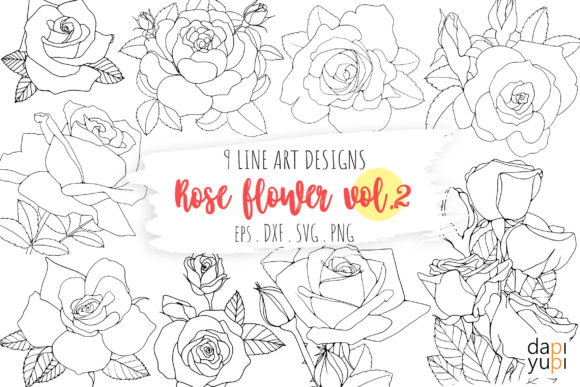
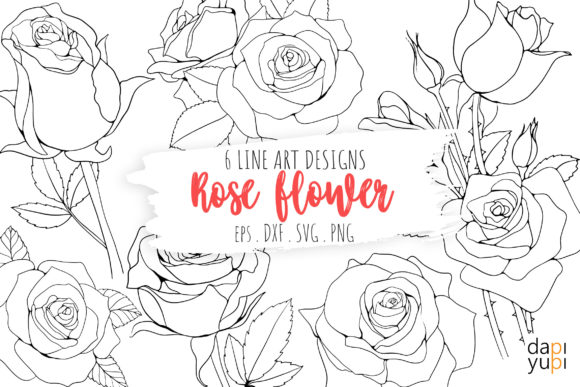
The moment I opened the Rose Flower Line Art Graphic file, I was struck by how clean and intentional the design feels. It’s not overly complex, but the delicate lines and organic flow of the rose shape give it a timeless charm. The absence of heavy shading makes it feel light and breathable, which is perfect for designs that need to complement rather than overwhelm the fabric they’re stitched onto.
This graphic has a very specific mood — something between whimsical and sophisticated. It’s reminiscent of vintage botanical illustrations but with a modern minimalist twist. That duality means it can easily transition from a handmade product like a personalized baby blanket to a more polished item such as a branded sweatshirt for a small shop.
Themes and Layout Considerations
The layout is well-balanced, with the main rose centered and surrounded by subtle, flowing lines that suggest movement or trailing petals. There are no distracting elements, which is great if you're planning to pair it with text or other motifs. The overall theme leans toward elegance and romance, fitting beautifully into themes like weddings, anniversaries, spring collections, or even botanical-inspired branding.
What stands out most is the detail level. While it’s a line drawing, there’s enough definition in the stem and leaves to make it visually engaging without being too dense. This balance is key when considering how the design will perform in real-life stitching scenarios.
Real-World Applications and Performance
I’ve tested this design on several common embroidery projects, and here's where it shines:
- Wedding Invitations and Accessories: The Rose Flower Line Art Graphic adds a touch of sophistication when used as a decorative border or corner accent on paper-based items. But it also works well as part of a custom apparel project, like embroidered place cards or favors.
- Tote Bag Design: When applied to a cotton tote bag using satin stitch around the flower outline and running stitch inside, the result was crisp and professional. The contrast between the line work and the fabric really made it pop, especially on lighter-colored bags.
- Sweatshirts and T-Shirts: As a central motif, the rose looks lovely on front chest placements. I recommend pairing it with a solid fill background or using white thread over dark fabrics to maintain visibility.
- Baby Embroidery: For a more gentle look, the rose could be paired with pastel thread colors and used on onesies or bibs. Its softness fits well within a nursery or baby shower collection.
- Holiday Gifts and Decor: The design’s versatility allows it to fit into holiday themes when stylized with seasonal colors. Think of it on a tea towel for Christmas or a pillow cover for Valentine’s Day.
- Commercial Embroidery: If you're an Etsy seller or running a craft business, this design can serve as a premium asset in your design assets library. Its minimalistic nature ensures it doesn’t date quickly, which is important for digital product sellers aiming for longevity in their offerings.
Where to Use with Caution
While the Rose Flower Line Art Graphic is highly adaptable, there are certain situations where it might require extra care:
- Small Hoop Sizes: The design’s scale needs consideration. If you're working with a hoop smaller than expected, some details may get lost or distorted.
- Textured Fabrics: On quilting cotton or canvas, the fine lines may not show up as clearly. Testing on a sample first is essential.
- Stretchy or Thin Fabric: These materials can cause the lines to pull or stretch during stitching. Using a stabilizer is crucial in these cases.
- Dark Fabric Backgrounds: The line art relies heavily on contrast. Without the right thread color — maybe white or metallic — it can blend in instead of standing out.
- Curved Surfaces (e.g., Caps): The rose’s structure isn’t designed for tight curves. You’ll want to adjust placement carefully or consider a simplified version for curved surfaces.
- Dense Stitch Areas: Because this is a line art design, adding too many fill stitches nearby can compete for visual attention. Keep the surrounding area uncluttered for best results.
Visual Appeal and Customer Reaction
In terms of visual appeal, the Rose Flower Line Art Graphic is understated yet impactful. It doesn’t scream for attention, but it commands it in a refined way. Customers often respond positively to designs that feel handcrafted and personal, and this one definitely delivers that vibe.
When I added it to a mock-up of a custom sweatshirt for a boutique client, the reaction was enthusiastic. They appreciated the subtlety and how it elevated the product without overpowering it. For personalized gifts, the rose acts as a beautiful focal point — think embroidered gift tags, pillows, or even aprons.
Design Notes for Embroidery Success
To ensure this design performs at its best in your embroidery project, here are some practical tips:
- Test First: Always run a test stitch on scrap fabric before committing to a finished product. This helps catch any issues with stitch density or thread tension.
- Check Thread Color Contrast: Light-colored roses on dark backgrounds work well, but avoid low-contrast combinations unless you’re going for a subtle effect.
- Review Stitch Density: Since this is a line art design, you’ll want to keep stitch density moderate to prevent bulkiness, especially on thin or stretchy materials.
- Confirm Hoop Size: Ensure the hoop you plan to use comfortably accommodates the full size of the design. Adjusting the scale too much can compromise clarity.
- Inspect Small Details: Look closely at the inner lines of the petals and leaves. These should remain sharp and defined after stitching.
- Black and White Mockups: Try viewing the design in grayscale to see how it holds up without color influence. This helps determine if the design remains legible and appealing in monochrome.
- Use Proper Stabilizer: Especially for lightweight or stretchy fabrics, a good backing stabilizer will help maintain the integrity of the design.
- Licensing Check: If you're planning to sell the finished product, confirm whether the design is licensed for commercial use. This is vital for commercial embroidery and digital product previews.
Impact on Branding and Marketability
For craft business owners and Etsy sellers, this design contributes to a strong brand identity. Its consistent style and clean lines allow it to become part of a cohesive look across different products — from tote bags to printable mockups. This kind of brand consistency is invaluable when building customer trust and recognition.
On handmade items like embroidered patches or holiday gifts, the rose adds a sense of professionalism and polish. It’s the kind of detail that makes customers say, “This was made with care.” In the world of small shop products and personalized items, that kind of engagement is everything.
If you're creating product mockups for digital sales, the Rose Flower Line Art Graphic integrates seamlessly into vector-based layouts. Its simple form adapts well to various styles, helping you create attractive, high-quality printable mockups that showcase your creativity and craftsmanship.
Final Thoughts for Creative Entrepreneurs
Overall, the Rose Flower Line Art Graphic is a reliable addition to your design toolkit. Whether you're looking to spruce up a sweatshirt embroidery or add a floral touch to a nursery decor project, this design offers a lot of potential. It’s not just about how it looks digitally — it’s about how it translates into the physical world through stitching.
That said, don't rush into production without testing it on your preferred fabric and thread combinations. Pay attention to how it behaves in different lighting conditions and against varying backgrounds. And always double-check licensing requirements if you're planning to sell the final product or include it in design assets for resale.
With thoughtful application, the Rose Flower Line Art Graphic can enhance your handmade product line, elevate your small shop product offerings, and contribute to a stronger creative brand. It’s not flashy, but that’s exactly why it works so well — it speaks softly but still gets noticed.