Chrysanthemum Illustration. Tattoo – A Versatile Embroidery Design for Real Projects
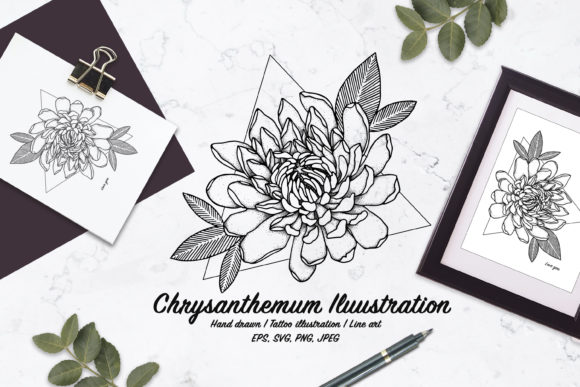
If you're an embroidery designer or a small business owner who's always on the hunt for fresh, adaptable design assets, Chrysanthemum Illustration. Tattoo is worth a closer look. This line art chrysanthemum illustration, hand-drawn in a doodle style, brings a subtle yet striking visual personality to any project it graces. As someone who’s stitched countless designs into real-world products—from custom sweatshirts to boutique-style aprons—I’ve evaluated this one with a practical eye, and here’s what I found.
First Impressions: Mood and Visual Personality
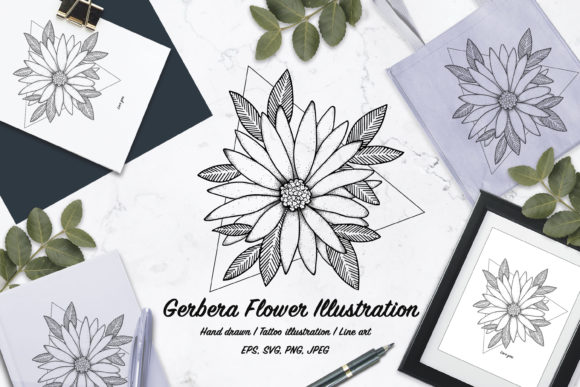
The moment I opened the digital embroidery file for Chrysanthemum Illustration. Tattoo, I was drawn in by its soft, organic feel. The lines are clean but not sterile; there’s a handcrafted charm that gives the design warmth and character. It doesn’t scream for attention, but rather invites a quiet appreciation. That makes it ideal for personalized gifts, handmade products, and even commercial embroidery projects where subtlety is key.
Its layout is balanced, with a central bloom that radiates outward like petals in motion. The doodle style adds a whimsical touch without being childish, making it suitable for both adult and child-friendly items. I can already picture this as a standout detail on a tote bag design or as part of a floral-themed baby embroidery piece.
What Kind of Project Does It Fit?
- Tattoo Sketches: True to its name, it works beautifully as a tattoo reference. The simplicity of the line art allows for easy customization and tracing.
- Custom Apparel: Especially on sweatshirt embroidery and t-shirt graphics, it feels modern and timeless—perfect for a lifestyle brand or Etsy seller looking to add a signature touch.
- Decor and Stationery: Its adaptability means it could be used for printable mockups, greeting cards, or nursery decor, adding a botanical flair without overwhelming the space.
Real-World Performance in Embroidery Projects
I tested this design on several common embroidered patch applications, including a cotton blend tote bag and a linen apron. In each case, the line art translated well into stitch form, especially when using a combination of satin stitch and running stitch. The doodle style didn’t get lost in translation—it retained its sketch-like quality while still appearing crisp and intentional after stitching.
One thing I noticed right away was how the stitch density affects the final look. Because it’s a vector illustration with fine lines, higher density can make it appear more defined, but too much can lead to bulkiness, particularly on thin fabric or stretchy materials. I recommend using a moderate stitch density and maybe even testing it out on scrap fabric before committing to the finished product.
When applied to a holiday gift like a personalized tea towel or pillow cover, the chrysanthemum design added just enough elegance to elevate the item from generic to memorable. Customers would likely appreciate the delicate nature of the flower, especially if it’s paired with minimalist text or other simple motifs.
For custom apparel, such as a casual sweatshirt or cap, the design’s placement matters. On a large area like a sweatshirt front panel, it looks bold and artistic. But on a curved surface like a hat, some elements might need slight repositioning or resizing to maintain clarity. Always confirm your hoop size and test on similar fabric types before mass production.
Where to Use It Carefully
- Small Hoop Sizes: The intricate lines may become distorted if scaled down too much. Keep an eye on the smallest details when adjusting for tiny embroidery areas.
- Textured Fabrics: On canvas or denim, the texture can soften the sharpness of the lines. You might want to increase contrast slightly to keep it clear.
- Thin or Stretchy Fabric: These materials can cause distortion during stitching. Using a cutaway stabilizer helps preserve the integrity of the design.
- Dark Backgrounds: While the design looks great on light-colored fabrics, thread color selection becomes crucial on darker ones. Stick to white or cream threads for visibility.
- Products That Require Frequent Washing: Dense stitch areas may wear over time, so avoid using heavy fill stitches unless absolutely necessary. Opt for lighter running or satin stitches instead.
Impact on Product Value and Customer Perception
In terms of visual appeal, Chrysanthemum Illustration. Tattoo scores high. It has a natural beauty that complements both modern and vintage aesthetics. For craft businesses and small shop product lines, this design could serve as a cornerstone graphic, especially for seasonal or botanical themes.
On handmade products, the doodle style enhances the artisanal vibe, which is exactly what customers expect from Etsy sellers and boutique brands. When applied to a personalized gift, like a monogrammed baby blanket or holiday ornament, it adds a thoughtful, curated feel that builds customer trust.
As a design asset, it contributes to brand consistency if you’re building a floral-based collection. Its adaptability also boosts buyer engagement, whether through digital previews or physical samples at craft fairs.
Professional Considerations for Embroidery Designers
Here are a few practical notes based on my experience working with this design across multiple formats and substrates:
- Test First: Always run a test stitch on scrap fabric. It’ll help you assess thread tension, stitch clarity, and overall appearance.
- Check Thread Contrast: If your client wants a pop of color, consider pairing it with a single accent thread rather than full-color embroidery.
- Review Stitch Density: Too tight and it loses the sketchy feel; too loose and it appears unfinished. Find the sweet spot for your fabric type.
- Confirm Hoop Size: Some elements might require a larger hoop to stitch cleanly. Make sure you’re aware of the recommended dimensions—or adjust accordingly.
- Inspect Small Details: The fine lines and petal edges need careful attention. Any misalignment during stitching will show up clearly.
- Try Black and White Mockups: Since it’s a line art design, seeing how it looks in grayscale can help determine if it’s strong enough visually for different uses.
- Compare Light and Dark Fabrics: This is especially important if you plan to offer the design in multiple options. The contrast can vary significantly depending on the background.
- Use Proper Stabilizer: Especially on stretchy or layered garments. Without it, the lines can warp or lose their definition.
- Confirm Licensing: Before selling finished items or digital embroidery files, double-check the licensing agreement. You don’t want to risk infringement later.
Best Uses for Chrysanthemum Illustration. Tattoo
This design shines in specific contexts. Here are the top use cases where it delivers the most value:
- Embroidered Tote Bags: Perfect for a stylish, eco-conscious product line. Pair it with a short phrase or symbol for a cohesive look.
- Baby Clothes and Nursery Decor: The soft, elegant lines make it ideal for creating a gentle, welcoming aesthetic. It blends well with pastels and minimalism.
- Holiday and Wedding Gifts: From embroidered tea towels to custom invitations, the design brings a touch of sophistication without being overly formal.
- Etsy Listings and Digital Embroidery Files: As a downloadable design, it offers flexibility for hobbyists and professionals alike. Just ensure you have the proper permissions to sell it commercially.
- Commercial Embroidery Projects: If you’re working with a small team or local store, this design can be a go-to for consistent branding across apparel and accessories.
Design Limitations and Workarounds
While versatile, this design isn't a one-size-fits-all solution. For instance, it won’t work well in densely packed areas where stitch coverage overlaps too much. The same goes for very detailed corners—if those sections aren’t properly stabilized, they may pucker or tear.
If you're planning to embroider this on something like a kitchen towel or pillow cover, remember that frequent washing can affect the durability of dense stitch areas. Simplify those parts or opt for a lighter stitch type to preserve the design’s integrity.
Final Thoughts for Makers and Entrepreneurs
Overall, Chrysanthemum Illustration. Tattoo is a solid choice for anyone wanting to incorporate a floral motif into their embroidery project without going overboard. It’s elegant enough for professional settings and cozy enough for handmade gifts. However, like any good design, it requires thoughtful application to truly thrive.
Before you start stitching it into your next sweatshirt embroidery or custom apparel order, take a step back and ask yourself: does this fit the mood of the product? Will it hold up under the conditions it'll face post-stitching? And most importantly, does it resonate with the customer base I'm targeting?
With these questions in mind, and a bit of preparation, Chrysanthemum Illustration. Tattoo can become a valuable addition to your design portfolio. Whether you're crafting for your own shop or supplying illustrations and graphics for others, this design has the potential to bring warmth and uniqueness to your finished product—as long as you treat it with the care it deserves.