★★★☆☆3.7(468 reviews)
50 Vector Line Art Botanical Elements for Real Embroidery Projects
A Fresh Take on Botanical Line Art for Embroidery
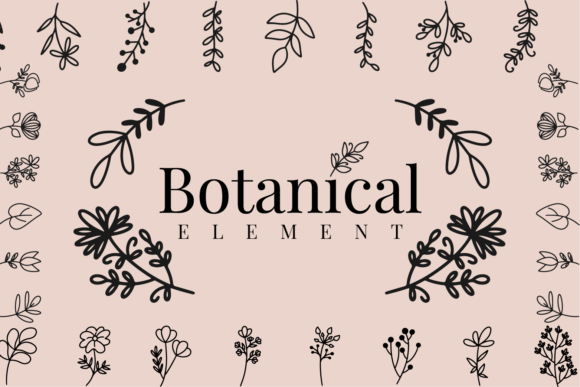
As an experienced embroidery designer and product reviewer, I recently had the chance to evaluate 50 Vector Line Art Botanical Elements in a real-world project scenario. This collection features wildflowers and linear stems, all drawn with an ink pen and digitized in vector format. The result is a clean, minimalist aesthetic that feels both organic and intentional.Visual Personality and Project Fit
The visual personality of this design leans toward the whimsical yet professional. It doesn’t scream for attention but rather invites the viewer to appreciate the detail in its lines. That makes it ideal for projects where you want the design to enhance, not dominate. Think personalized baby items, boutique branding elements, or even subtle accents on holiday gifts.Real-World Performance in Various Embroidery Projects
- Tote Bag Design: A simple wildflower motif worked beautifully as a corner accent. It added just enough visual interest without competing with the bag’s functionality.
- Baby Clothes: For a onesie, I chose a delicate fern pattern. The softness of the lines complemented the innocence of the piece and looked great in both pastel and neutral thread colors.
- Embroidered Patch: When creating a patch for a denim jacket, the line art gave a modern, artistic feel. It stitched smoothly and maintained its shape even after being trimmed and backed with stabilizer.
- Pillow Covers: Used in a repeating pattern, the elements created a cohesive look across multiple pillows. The transparent background allowed me to place them asymmetrically for a handcrafted vibe.
- Holiday Gifts: On a set of tea towels, a small cluster of wildflowers paired with some text in a matching font became a festive yet elegant holiday gift. Customers loved the understated quality.
- Etsy Listings and Digital Previews: As a digital embroidery file (SVG), it integrates seamlessly into printable mockups. This is a huge plus for Etsy sellers looking to present their designs professionally in listings.
Where to Use With Caution
While versatile, there are certain situations where 50 Vector Line Art Botanical Elements might require extra care or adjustment:- Small Hoop Sizes: Some of the finer line work may lose definition if scaled down too much. Always confirm hoop size before finalizing placement.
- Textured Fabrics: On fabrics like canvas or linen, the thin lines may appear bolder than intended. You might need to adjust stitch density or thread weight accordingly.
- Stretchy or Thin Fabrics: These can cause slight distortion if not properly stabilized. Especially when working with stretchy knits, a tear-away or cut-away stabilizer is essential.
- Dark Fabric Backgrounds: The contrast of black thread on dark backgrounds isn't always effective. Consider lighter thread colors or metallic alternatives to make the design pop.
- Curved Surfaces: On caps or curved patches, the linear nature of the design holds up well, but you’ll need to ensure proper tension and possibly break up the design into smaller segments.
- Dense Stitch Areas: If combining with other fill stitches or dense patterns nearby, be mindful of overlapping stitch directions that could create puckering or shadowing.
Design Impact: From Visual Appeal to Brand Value
One of the most notable aspects of this design is how it enhances the overall presentation of a product. Whether you're an apparel decorator, handmade shop owner, or digital product seller, the line art adds a touch of elegance and intentionality. It helps elevate the perceived value of a finished product, especially in markets like nursery decor or holiday embroidery. For craft business owners, the ability to mix and match elements is a major benefit. You can build unique arrangements for different clients or seasonal offerings. The transparency in PNG files also supports quick prototyping — crucial for testing new ideas in a fast-paced environment. From a customer perspective, the design feels handmade but polished. People gravitate toward this style because it’s timeless and uncluttered. In my experience, customers often prefer such designs for personalized gifts or small shop merchandise — they feel special but not overdone.Professional Presentation and Giftability
When it comes to commercial embroidery or branded items, the design offers a consistent look that works well with typography or monograms. Its clean edges and minimal shading allow it to pair easily with other design assets, helping maintain brand consistency across products. I also noticed that the line art lends itself well to printable mockups. As an embroidery project planning tool, it gives potential buyers a clear idea of how the final product will look — increasing buyer engagement and reducing return rates due to mismatched expectations.Designer Tips for Getting the Most Out of This Collection
- Test on Scrap Fabric First: Before committing to a client order or production run, try stitching the design on similar fabric to check for issues like distortion or visibility.
- Check Thread Color Contrast: On light fabrics, black thread works well, but on darker materials, consider using white or cream threads for better visibility.
- Review Stitch Density: Since many of the elements rely on outline stitches, avoid overly tight settings that could cause the lines to bunch or become jagged.
- Confirm Hoop Size Requirements: Though no exact dimensions were listed, I recommend checking the recommended hoop size for each design to ensure optimal performance.
- Inspect Small Details: Zoom in on the SVG files to make sure tiny stems or petals don’t get lost in translation during scaling or placement.
- Use Proper Stabilizer: Especially for lightweight or stretchy materials, stabilizers are key to keeping the design crisp and preventing fabric shift.
- Test in Black and White Mockups: The lack of color in the original ink drawings means the design should hold up well in grayscale — a useful trait for tonal variations or monochrome branding.
- Compare Light and Dark Backgrounds: The same design can look drastically different depending on the fabric shade. Do side-by-side tests to choose the best fit.
- Ensure Licensing Clarity: If you plan to use these in commercial products or sell digital embroidery files, always verify licensing terms to protect yourself legally.
Final Thoughts on 50 Vector Line Art Botanical Elements
Overall, 50 Vector Line Art Botanical Elements is a strong addition to any embroidery designer’s toolkit. It brings a fresh, artistic approach to botanical motifs while maintaining the practicality needed for everyday use. Whether you’re crafting for personal enjoyment or building out a line of small shop products, this collection offers flexibility and charm. It’s particularly suited for machine embroidery design projects that prioritize subtlety and sophistication. While it won’t replace bold, colorful florals for every application, it shines in spaces where less is more — and where design assets need to adapt to various formats and uses. If you’re considering using this in a finished product, take the time to test it thoroughly. But once you do, you’ll find it’s a reliable choice that adds just the right amount of nature-inspired beauty to your creations.
⬇️ Download Free
Free download · No sign-up required
🔗 You Might Also Like
Illustrations
As an experienced embroidery designer and product reviewer, I’m always on the lo...
Illustrations
A First Look at Line Art Leaf When I first opened the Line Art Leaf embroidery f...
Illustrations
As an experienced embroidery designer and product reviewer, I always approach a ...
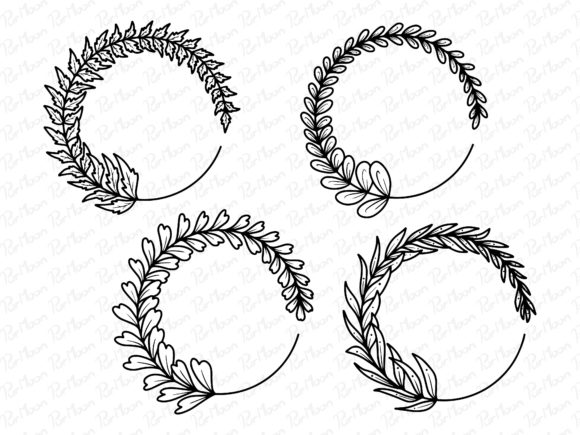
Illustrations
First Impressions: Mood and Aesthetic of Leaf Line Art When I first opened the L...
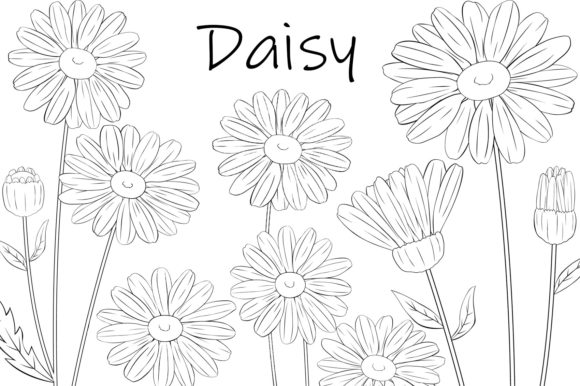
Illustrations
As an experienced embroidery designer and product reviewer, I’ve tested countles...
