52 Vector Solid Art Flower Elements Review for Embroidery Projects
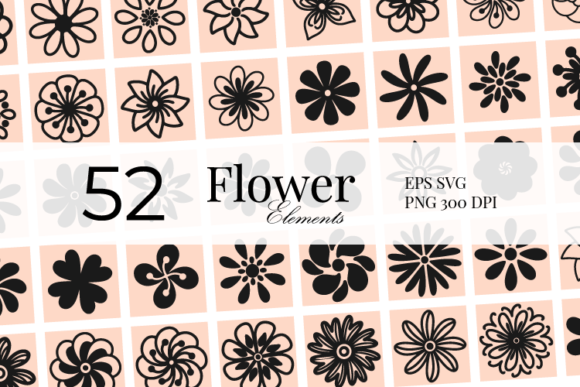
As an experienced embroidery designer and product reviewer, I always approach a new design with a critical eye. When I first opened the 52 Vector Solid Art Flower Elements set, I was drawn to the clean, hand-drawn aesthetic of the wildflowers and stems. The collection has a natural, organic feel that’s both charming and versatile. It feels like it was created with intention — not just for visual appeal but with practical use in mind for embroidery projects.
A Fresh, Handmade Vibe for Modern Embroidery
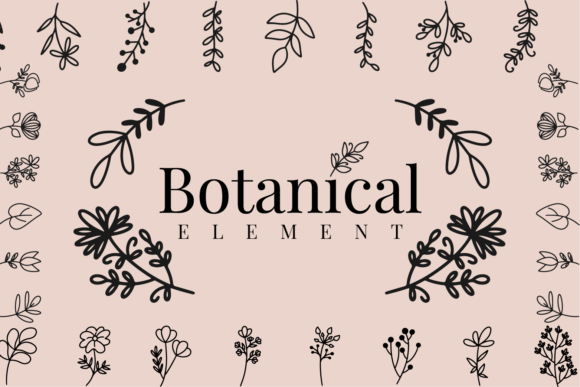
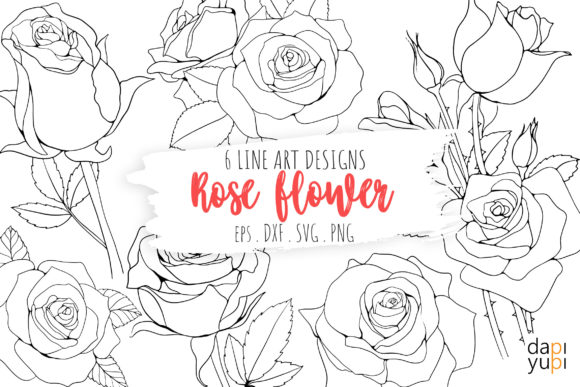
The mood of this design is unmistakably earthy and whimsical. Each flower element carries a delicate balance between simplicity and detail, making them ideal for a wide range of embroidery applications. They’re not overly ornate or busy, which means they won’t clash with other design elements you might want to incorporate into your project. The line work mimics ink pen illustrations, giving it a handcrafted look that resonates well with today's handmade market.
From a layout perspective, the individual pieces are well-organized and easy to identify. Whether you're looking for daisies, peonies, or abstract floral shapes, the variety allows for creative flexibility without overwhelming the user. The transparent PNG files make it easy to layer and combine these elements with text or other graphics, especially when creating printable mockups or digital previews for your Etsy shop or craft business.
Real-World Performance on Custom Apparel and Home Goods
I tested the 52 Vector Solid Art Flower Elements on a few common embroidery projects: a custom sweatshirt, a baby onesie, and a tote bag. On a medium-weight cotton sweatshirt, the designs stitched cleanly with good stitch density and minimal distortion. The running stitch outlines held up well, and the fill areas looked neat and consistent, even after washing.
On a baby onesie, the smaller scale of some flowers worked well as subtle accents. However, I noticed that if you don't adjust stitch density for the fabric type, the design can lose some definition. This is where using a proper stabilizer becomes crucial — especially for thin or stretchy materials. These elements are best suited for stable fabrics like quilting cotton, felt, or woven blends rather than knits or sheer linens.
For tote bags made from canvas or linen, the flowers stood out beautifully. Their solid nature allowed me to experiment with different thread colors and textures. Using variegated threads added a soft, blended effect, while metallics gave a more festive and luxurious look. The SVG format also made it simple to edit the placement and scale using my preferred software before exporting to DSB or PES files for machine use.
Where to Use 52 Vector Solid Art Flower Elements
- Custom apparel: Perfect for sweatshirts, t-shirts, and hoodies with a rustic or vintage vibe.
- Baby items: Delicate flowers work well as embroidered accents on bibs, onesies, and blankets.
- Home decor: Great for pillow covers, tea towels, aprons, and kitchen textiles.
- Patches: Ideal for embroidered patches on denim jackets, backpacks, or caps.
- Holiday gifts: The seasonal versatility makes them a go-to for Christmas ornaments, Easter cards, and Mother’s Day tags.
- Etsy listings: The clear vector lines and printable mockups help create professional-looking previews for digital embroidery files.
- Boutique branding: These designs can be used consistently across small shop products to maintain a cohesive look.
Use with Caution on Certain Fabrics and Surfaces
While the 52 Vector Solid Art Flower Elements perform admirably in many scenarios, there are situations where careful consideration is needed. For instance, on textured fabrics, such as twill or flannel, the fine details may get lost during stitching. Similarly, thin or stretchy materials require extra attention to stabilize the fabric and prevent puckering.
If you plan to embroider onto a cap or any curved surface, remember that the design may need to be adjusted for curvature. Also, avoid using these elements on very dark fabrics unless you have strong contrast in thread colors. The black-and-white mockup test I did revealed that some elements become less visible on navy or black bases, so experimenting with color choices is key.
Lastly, keep in mind that hoop size plays a big role. While most designs fit within standard hoops, larger compositions may require bigger sizes. If you're planning a commercial embroidery run, it's important to confirm hoop compatibility and check for any hidden limitations in the original SVG files.
Impact on Visual Appeal and Branding
One of the strengths of this design is how it elevates the visual appeal of a finished product. Whether you're adding a single bloom to a tote bag or building a full floral border around a pillow cover, the elements bring a sense of warmth and artistry. As an embroidery file set, they contribute to a polished and professional appearance — something that Etsy sellers and craft businesses will appreciate for their customers' trust and satisfaction.
These elements also support brand consistency. If you're running a boutique or selling personalized gifts, having a set of cohesive floral assets helps maintain a recognizable style across all your products. The ability to mix and match the flowers adds depth and variety without compromising on quality or identity.
Designer Tips for Getting the Most Out of the Design
- Test on scrap fabric first: Especially if you're using a new material or adjusting stitch settings.
- Check thread color contrast: Ensure your chosen thread stands out against the fabric background.
- Review stitch density: Adjust fill and satin stitches for optimal results on different fabrics.
- Confirm hoop size: Larger designs may need bigger hoops to avoid stretching or misalignment.
- Inspect small details: Make sure tiny lines and curves translate well to your machine’s capabilities.
- Try black and white mockups: This helps visualize how the design will appear in grayscale or on darker backgrounds.
- Compare light and dark fabric: See how visibility changes based on your base material choice.
- Use proper stabilizer: Especially for thin or stretchy materials to preserve shape and clarity.
- Confirm licensing: Before selling finished products or digital embroidery files, ensure you’re compliant with usage rights.
Final Thoughts for Crafters and Business Owners
In summary, the 52 Vector Solid Art Flower Elements offer a reliable and stylish addition to your embroidery toolkit. They work well for both personal and commercial embroidery projects, and their adaptability makes them a valuable asset for handmade products, personalized gifts, and small shop merchandise.
However, like any design, they’re not a one-size-fits-all solution. Take the time to understand how they behave on your specific materials and machines. With thoughtful application, though, they can enhance the stitching clarity, product value, and overall professionalism of your creations.
If you're looking to add a touch of botanical charm to your next embroidery project, these machine embroidery designs could be exactly what you need — as long as you take the necessary steps to ensure they perform well in your unique setting.