Sea Style Sublimation: A Deep Dive for Real-World Embroidery Projects
As a seasoned embroidery designer and product reviewer, I’ve seen my fair share of digital designs come and go. Some are perfect for quick gifts or custom t-shirts; others demand careful consideration before they’re stitched into anything meant to be sold or worn regularly. Sea Style Sublimation falls somewhere in between—offering a compelling visual theme but requiring thoughtful application to ensure it shines in the finished product.
First Impressions: Mood and Visual Personality
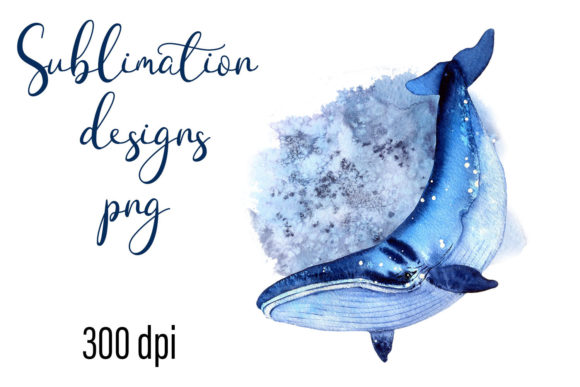
The moment I opened the Illustrations file for Sea Style Sublimation, I could tell it was crafted with intention. The design features an underwater aesthetic, complete with flowing sea creatures and organic shapes that evoke calmness and mystery. It’s not just a pattern—it tells a story of depth and serenity. As an embroidery artist, I immediately thought of how this could translate into soft goods like sweatshirts, tote bags, or even baby clothes for parents who love oceanic themes.
The layout is balanced yet dynamic, avoiding clutter while still delivering enough detail to feel engaging. This balance is crucial for embroidery, where too much complexity can lead to stitch issues, and too little can make the design feel flat. Sea Style Sublimation walks that line well, making it suitable for both subtle accents and bold statements depending on how you choose to use it.
Real-Life Application Scenarios
Let’s say you’re an Etsy seller creating custom embroidered tote bags for your boutique line. You want something unique, not the same floral prints everyone else uses. Sea Style Sublimation offers a fresh take that stands out visually without being overwhelming. Its fluid lines and organic motifs work beautifully on cotton canvas or linen blends, giving the piece a soft, artistic finish.
For sweatshirt embroidery, the design could serve as a large graphic on the back or a smaller motif near the hem. The transparent background in the PNG format allows for easy placement over existing graphics or logos, which is especially useful when designing layered looks or combining it with text elements.
In the realm of handmade products, such as personalized baby items or nursery decor, the design adds a whimsical touch. Imagine a delicate embroidered pillow cover featuring a stylized jellyfish or coral branch. The gentle curves and muted tones would complement pastel color schemes often found in nurseries and kids' rooms.
Another potential use is embroidered patches. If you're working on a collection of decorative or wearable art patches, the design's clean edges and defined shapes allow for clear separation from the fabric, ensuring that it remains recognizable even after multiple washes or applications.
Where Caution Is Needed
While Sea Style Sublimation has a lot going for it, there are specific scenarios where its performance may require extra attention:
- Small hoop sizes: The design contains some intricate details that might get lost if scaled down too much. Always check how it looks at 3x3 inches or less before committing to a small project like a cap or hat.
- Textured fabrics: Because of the fine lines and shading in the design, using it on materials like denim or flannel could cause stitches to appear uneven or distorted. Smooth, tightly woven cottons tend to show off the design best.
- Thin or stretchy fabrics: These can challenge stitch tension and density, especially in areas where the design uses heavier fill or satin stitching. Use a stabilizer to prevent puckering and distortion.
- Dark backgrounds: The design relies on contrast to stand out. On darker garments or surfaces, consider reversing the colors or adding white outlines to keep the visual impact strong.
- Curved surfaces: When applying the design to caps or curved seams, it’s important to adjust the shape slightly to maintain symmetry and avoid stretching key elements like the tail of a fish or the edge of a wave.
Design Performance in Different Embroidery Contexts
When considering how Sea Style Sublimation affects visual appeal, it brings a sense of movement and life to static surfaces. This makes it ideal for holiday gifts, personalized items, and nursery decor, where emotional resonance plays a big role in buyer engagement.
From a craft business perspective, the design adds value by offering a premium look. Customers notice the quality of the imagery and the care taken in its composition, which builds customer trust and enhances the perceived professionalism of your brand. Whether you're an Etsy seller or part of a small shop product line, this kind of detail can elevate your offerings above generic mass-produced items.
In terms of stitch clarity, the design handles both dense fill areas and open running stitch sections effectively. However, in high-density zones—like the center of a seashell or the body of a sea creature—you’ll need to watch thread tension and ensure your machine can handle the load. This is particularly relevant for commercial embroidery projects where durability and consistency across batches matter.
Designer Notes for Practical Use
Here are a few practical steps I recommend before incorporating Sea Style Sublimation into your workflow:
- Test on scrap fabric: Before embroidering a client’s sweatshirt or a batch of aprons, run a sample on similar material to see how the stitches behave and how the design translates in real life.
- Check thread color contrast: The design works well with both bright and muted palettes, but the right thread selection will determine how clearly the image comes through. Avoid low-contrast combinations unless intentional for a vintage or faded look.
- Review stitch density: Especially in the more detailed parts of the design, like coral formations or fish patterns, you may need to reduce stitch density slightly to prevent puckering on thinner materials.
- Confirm hoop size: Since the JPEG provided is 3000x3000 px, it's likely suitable for larger hoops, but if you plan to scale it down, always verify compatibility with your machine’s minimum requirements.
- Inspect small details
- Test in black and white mockups: This helps you understand how the design might look in grayscale or on monochromatic projects.
- Compare light and dark fabric backgrounds: See how the design adapts and whether any adjustments are needed for visibility and aesthetics.
- Use proper stabilizer: Especially on stretchy or thin materials, stabilizers help maintain the integrity of the design and reduce fabric distortion during stitching.
- Check licensing for commercial use: Since the product description doesn’t specify license terms, always confirm whether you can sell finished items or offer digital embroidery files as part of your design assets.
Branding and Market Fit
If you're looking to build a cohesive brand identity, Sea Style Sublimation can be a valuable asset. Its calming visuals align well with nature-themed businesses, wellness brands, or shops targeting parents and children. The design’s adaptability means it can fit into different product categories—from embroidered tea towels to custom apparel—while maintaining a consistent mood and style.
It also serves as a strong printable mockup element for digital product previews. If you're a digital product seller, this design can be used in promotional images to showcase what customers can expect from your handmade creations. Just remember to test how it looks at various print scales and resolutions, since sublimation printing and embroidery have different technical needs.
Final Thoughts: Design Meets Function
Overall, Sea Style Sublimation is a versatile Graphics file that offers more than just a pretty picture. It brings a thematic richness to your embroidery project, helping you connect with niche markets and create memorable finished products. But like any good design, it requires some hands-on testing and thoughtful application to truly shine.
Whether you're preparing a personalized gift for a customer or building a new line of small shop merchandise, this design has the potential to add depth and character to your work. Just take the time to understand its strengths and limitations—especially when it comes to fabric type, hoop size, and lighting conditions—and you'll find yourself with a reliable, beautiful addition to your design toolkit.