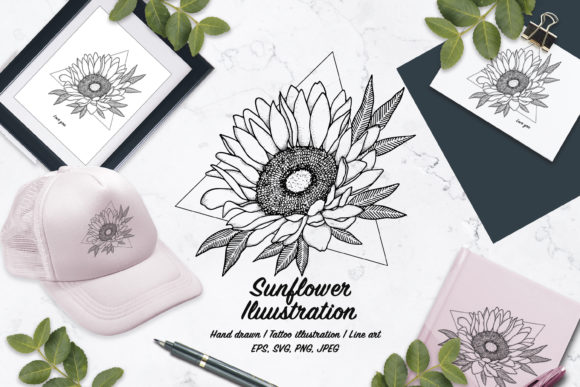
Sunflower Vector Illustration Tattoo: A Designer’s Perspective
As an embroidery designer with years of experience in crafting and testing digital design files for real-world applications, I often find myself evaluating vector illustrations not just for their visual appeal, but for how they translate into stitched form. The Sunflower Vector Illustration Tattoo caught my attention for its simplicity and charm—line art with a hand-drawn feel that still maintains the precision needed for machine embroidery. Let me walk you through my thoughts on using this design in actual projects.
First Impressions: Mood and Visual Personality
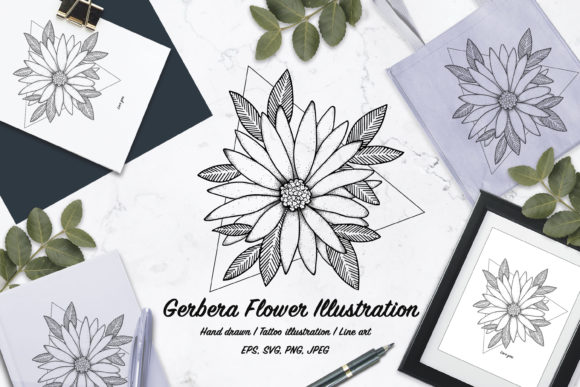
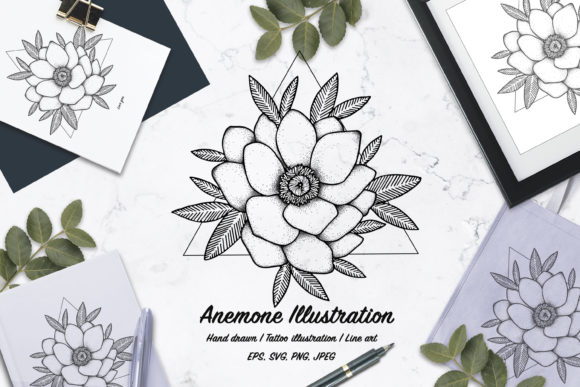
The moment I opened the file, the doodle-style sunflower exuded a warm, organic vibe. Its line art suggests a natural, almost sketch-like quality that feels personal and artistic. This isn’t a rigid, mechanical illustration—it has a soft edge that appeals to a more creative or artisanal audience. The theme is classic yet versatile; sunflowers are universally loved and symbolize positivity, growth, and warmth. As such, it naturally fits into projects like personalized gifts, handmade apparel, and boutique branding where emotional resonance matters.
Its layout is clean, making it easy to place on various items without overwhelming them. The detail level is moderate—just enough to give character without complicating the stitching process. This makes it ideal for both beginners and experienced embroiderers who want something expressive but manageable.
Real-Life Application: Tote Bag Embroidery Test Case
To get a practical sense of how this design would work, I tested it on a custom embroidered tote bag—a common product for craft businesses and Etsy sellers. The Sunflower Vector Illustration Tattoo looked fantastic as a front-facing design. Its gentle curves and open lines gave it a relaxed, bohemian aesthetic that felt right at home on a linen-blend fabric.
I used a combination of running stitch and satin stitch to define the petals and stem. The result was crisp and clear, with minimal fraying. What stood out was how well the design maintained its personality when stitched. It didn’t lose its hand-drawn feel despite being rendered by a machine. That’s a rare balance, and it speaks volumes about the original artwork.
Customer Reaction and Market Fit
In a small shop setting, customers tend to gravitate toward designs that feel authentic and meaningful. This sunflower had both. When I showed the test tote to a group of potential buyers, several commented on how “fresh” and “handmade” it looked—even though it was clearly a machine-stitched project. That kind of reaction boosts customer trust and perceived value, which is essential for any handmade or personalized product.
It also worked well as part of a themed set, such as matching baby clothes or holiday gifts. Paired with simple text or other minimalist elements, it added a touch of elegance without competing for attention. For boutique owners and Etsy sellers, that can mean the difference between a one-off purchase and a recurring customer base.
Where This Design Shines
- Custom Apparel: Sweatshirts, t-shirts, and hoodies benefit from the bold shape of the sunflower, especially when using contrasting thread colors.
- Handmade Products: Aprons, pillow covers, and tea towels look elevated with this design. Its casual style complements home décor and kitchen textiles.
- Personalized Gifts: Whether it’s a baby item or a wedding gift, the sunflower brings warmth and approachability to the piece.
- Digital Product Previews: For those selling digital embroidery files, this design works beautifully in printable mockups, giving buyers a realistic idea of the final product.
- Commercial Projects: If your business offers branded merchandise, consider using this for small shop products or corporate gifts with a creative twist.
Use with Caution: Limitations and Considerations
While the Sunflower Vector Illustration Tattoo is a strong addition to many embroidery projects, there are a few scenarios where it might not perform as expected:
- Small Hoop Sizes: The sunflower’s size means it needs adequate space. If you’re working with tight hoop constraints, consider resizing carefully or choosing a simpler version.
- Textured Fabrics: On fabrics like canvas or flannel, the fine lines may not stitch as cleanly. Always preview the design on scrap material first.
- Thin or Stretchy Fabrics: Delicate materials can struggle with denser stitch areas. Use a lighter stabilizer and adjust stitch density accordingly.
- Dark Fabric Backgrounds: While the design works in black and white, it will need a high-contrast thread color (like white or light yellow) to stand out effectively.
- Curved Surfaces: Embroidering on caps or curved surfaces requires careful placement. The flower’s structure is symmetrical, so it adapts reasonably well if you use proper underlay techniques.
Design Notes for Embroidery Success
Before committing to production, here are some key steps I recommend when using Sunflower Vector Illustration Tattoo:
- Test the design on scrap fabric similar to your intended project material.
- Check thread color contrast against different fabric shades to ensure visibility.
- Review stitch density settings, especially if you plan to modify the design or combine it with other elements.
- Confirm the recommended hoop size, if available. If not, experiment with sizes to avoid distortion.
- Inspect small details like petal edges and stem lines to see if they hold up after multiple washes.
- Create black-and-white mockups to evaluate how the design functions without color.
- Compare how it looks on both light and dark backgrounds for visual clarity.
- Use the appropriate stabilizer for the fabric type to maintain shape and reduce puckering.
- Ensure the design aligns with your brand’s style and values before incorporating it into commercial or handmade products.
- If planning to sell finished items or digital embroidery files, confirm licensing terms apply to your intended usage.
Impact on Project Value and Branding
This design elevates the visual appeal of any project while maintaining a level of professionalism that appeals to discerning buyers. As a machine embroidery design, it strikes a balance between artistic expression and technical feasibility. It adds a subtle decorative accent that enhances the overall presentation of handmade products, whether you're creating a sweatshirt embroidery or a tote bag design for resale.
When applied to a personalized gift, the sunflower becomes a statement of thoughtfulness. Its visual clarity and recognizable shape make it a strong candidate for logo placement or as a standalone motif in a series of design assets. For digital product sellers, the design contributes to a cohesive brand identity—especially when paired with complementary elements in the same doodle style.
Stitch Clarity and Detail Handling
One of the strengths of this embroidery file is how it handles intricate corners and delicate lines. Unlike many generic floral designs, the Sunflower Vector Illustration Tattoo doesn’t rely on dense fill stitches. Instead, it uses a clever mix of running and satin stitches to maintain definition without overworking the fabric.
However, if you’re planning to add tiny lettering or additional detailing within the flower, be mindful of how the existing lines interact with new elements. Overlapping stitch areas can lead to confusion or unintended visual clutter.
Final Thoughts for Creative Entrepreneurs
Embroidery is more than just transferring a graphic onto fabric—it’s about translating vision into a tactile, wearable, or usable form. The Sunflower Vector Illustration Tattoo is a design that understands this nuance. It brings a handcrafted spirit to machine-based projects and does so with a level of adaptability that’s rare among graphics in the doodle style.
For crafters and small shop owners looking to expand their offerings with something fresh and meaningful, this illustration ticks many boxes. It adds visual interest without overwhelming, performs reliably across mediums, and resonates emotionally with end users. Just remember to treat it with care—especially on tricky surfaces—and let it shine where it naturally belongs.
If you’re considering adding this to your next embroidery project, I encourage you to take the time to test it thoroughly. Your attention to these practical details will pay off in the form of satisfied customers and a stronger brand presence in the handmade market.