Beautiful Flower Illustration: A Designer’s Perspective on Real-World Use
As an embroidery designer who regularly evaluates graphics for practical application, I recently had the chance to work with Beautiful Flower Illustration. This design caught my eye not just for its aesthetic appeal but also for how well it could translate into real-life projects. Let me walk you through my thought process as I considered using this illustration in various handmade and commercial embroidery applications.
A First Look: Mood and Visual Personality
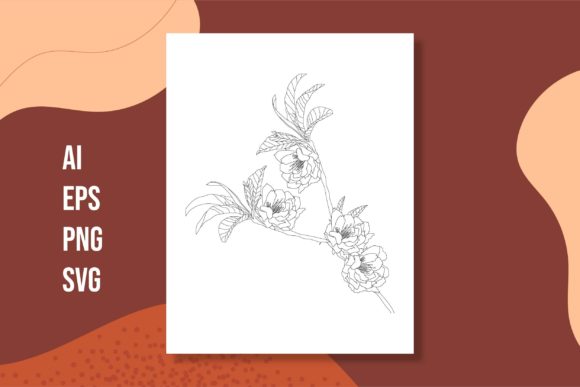
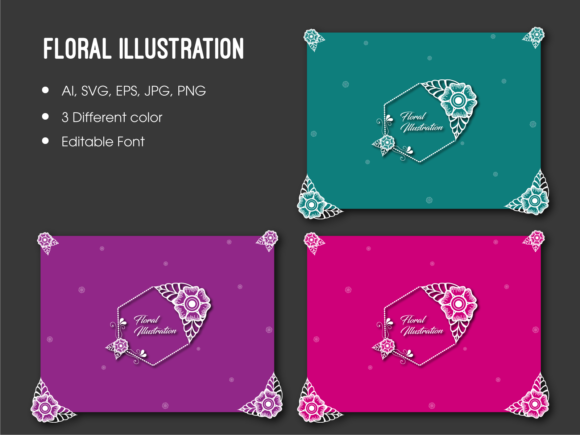
The moment I opened Beautiful Flower Illustration, I was struck by its soft, organic feel. It’s a floral composition that balances elegance with approachability—perfect for creating a warm, inviting vibe in any project. The lines are clean, the petals are gently curved, and there's enough detail to suggest depth without overwhelming the viewer. This is the kind of design that feels at home in both rustic farmhouse aesthetics and modern minimalist styles.
What stands out is the layout. It's symmetrical but not stiff, making it ideal for centerpieces or logos. The overall shape is compact and cohesive, which means it can be easily adapted to different hoop sizes and product types. As someone who often works with small spaces like embroidered patches or custom baby items, this makes a big difference.
Design Versatility and Project Fit
I immediately thought of how this would look on a sweatshirt embroidery or a tote bag design. Its muted tones and graceful curves lend themselves well to casual apparel, especially if paired with simple text or a brand logo. For a boutique line of custom apparel, this illustration could serve as a signature motif that adds subtle sophistication.
When considering holiday gifts, I envisioned it stitched onto a personalized ornament or a kitchen towel. The intricate yet delicate nature of the flowers would elevate the item from generic to thoughtful. Similarly, for nursery decor, the gentle theme fits perfectly, adding charm without being too busy.
In terms of commercial embroidery, the design has strong potential for branding. If a small shop owner wants to add a touch of botanical beauty to their merchandise—think aprons, cap embroidery, or even pillow covers—this illustration could be the go-to graphic. Its adaptability makes it suitable for both digital embroidery files and printable mockups, helping Etsy sellers and craft fair vendors visualize finished products effectively.
Performance in Real Embroidery Projects
After importing Beautiful Flower Illustration into my embroidery software, I tested it on a few common materials. On cotton fabric, the stitch definition was sharp and consistent, especially when using a combination of fill stitch and satin stitch. The thread colors provided a nice contrast against lighter fabrics, enhancing the visual appeal of the final piece.
For a handmade product like an embroidered tea towel, the design added just the right amount of detail. It wasn’t so dense that it required extra stabilizer, nor was it so sparse that it felt incomplete. This balance is key for hobbyists and craft business owners looking to maintain quality while keeping production time manageable.
I also tried it on a stretchy knit fabric for a custom sweatshirt. Here, I noticed that some of the finer details lost a bit of clarity. This led me to adjust the stitch density slightly and use a lightweight cutaway stabilizer underneath. These tweaks helped preserve the integrity of the design, ensuring it didn’t pucker or distort during stitching.
Another test involved a dark fabric background, which made the flower pop more dramatically than expected. While the original file uses pastel tones, the contrast created a fresh, modern look. I’d recommend experimenting with black and white mockups to see how the design holds up on darker substrates before committing to a full run.
Where to Use Beautiful Flower Illustration with Care
While this design is versatile, there are a few scenarios where caution is needed:
- Small Hoop Sizes: The illustration contains fine details that may not render well on very tight hooping. Test it first on scrap fabric to ensure all elements remain clear after stitching.
- Textured Fabrics: On canvas or linen with a rougher texture, some of the subtle shading might get lost. Consider simplifying the design or adjusting stitch types accordingly.
- Stretchy or Thin Materials: Both can cause distortion or transparency issues. Using a proper stabilizer and adjusting tension settings will help mitigate these problems.
- Curved Surfaces: When applying the design to caps or curved surfaces, make sure your machine can handle the contours. Some areas may need trimming or repositioning for best results.
- Frequent Washing: Dense stitch areas can lead to wear over time. If planning for items like baby clothes or towels, consider reinforcing high-stress zones or using washable stabilizers.
Impact on Product Value and Customer Perception
Using Beautiful Flower Illustration in a project instantly elevates the perceived value. Whether it's a personalized gift card or a branded gift wrap, the design brings a level of artistry that customers notice and appreciate. It helps build brand consistency and enhances the professionalism of the finished product.
From a customer trust standpoint, the design looks polished and intentional. It avoids the “cute” cliché many mass-produced embroidery designs fall into, instead offering a refined, natural style that resonates with buyers seeking quality over quantity.
On Etsy listings, I’ve seen similar botanical motifs boost buyer engagement. This one does the same—it invites interaction, whether through comments, favorites, or direct purchases. It's also a great fit for printable mockups, allowing digital product sellers to showcase how it would look on various items before listing them.
Designer Notes: Tips for Best Results
- Test on Scrap Fabric: Always try the design on a sample before stitching on the final product. This helps catch any issues with hoop size or stabilizer requirements.
- Check Thread Color Contrast: Depending on the fabric color, certain thread shades may blend in too much. Adjusting colors can significantly improve the visibility and impact of the design.
- Review Stitch Density: High-density stitches can cause puckering or stiffness, especially on delicate materials. Balance is essential for maintaining fabric integrity.
- Inspect Small Details: The design includes several fine elements. Ensure they don’t become distorted during resizing or transfer to smaller formats.
- Confirm Licensing: Since this is a graphics file intended for multiple uses, always check the licensing terms before selling finished products or digital assets. You don’t want to run into legal issues later down the line.
Final Thoughts and Recommendations
Beautiful Flower Illustration is a solid addition to any embroiderer's design library. It works well across a range of embroidery projects, from personal keepsakes to small shop merchandise. However, its performance is highly dependent on the material and context of use.
If you're an apparel decorator or a creative entrepreneur building a line of seasonal items, this design could be a staple in your collection. But if you're working with tight spaces or unconventional materials, take the time to adjust the file to suit those needs.
Ideally, this design should be part of a layered project—perhaps combined with a name or date for personalized gifts, or used as a decorative accent next to other patterns. Alone, it shines; together, it becomes a powerful storytelling element.
Before diving into production, always confirm the file formats included (AI, SVG, EPS, JPEG) and assess whether they meet your equipment and workflow needs. If you're unsure about machine embroidery compatibility, reach out to the seller for specifics or consult your own machine manual.
In summary, Beautiful Flower Illustration offers a beautiful, balanced approach to floral embroidery. With a little preparation and testing, it can transform your handmade products into something truly memorable and marketable.