Kiwi Vector: A Delicate Embroidery Design for Subtle Projects
As an embroidery designer and product reviewer with years of experience in the craft business, I always look for designs that not only appeal visually but also perform reliably across a range of materials and uses. Recently, I had the chance to work with Kiwi Vector. Kiwi Fruits Clipart SVG, and after testing it on several real-life projects, I’m ready to share my thoughts.
First Impressions and Mood
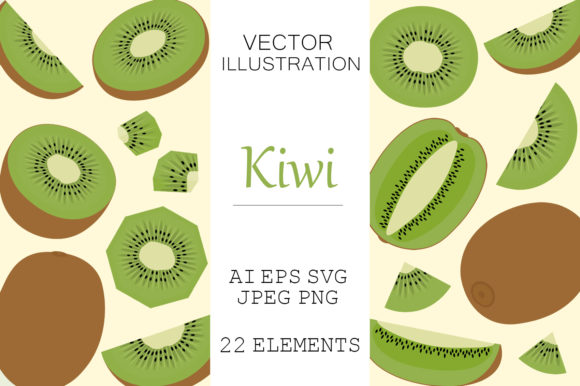
The first thing I noticed about the Kiwi design is its soft and romantic feel. It’s clean, stylized, and carries a subtle elegance that makes it stand out without being over the top. The kiwi fruit is rendered with gentle curves and a smooth, almost hand-drawn quality that gives it personality while keeping it professional. This kind of design naturally fits into handmade products, personalized gifts, and small shop merchandise where a touch of whimsy or botanical charm is desired.
I can see this working well in digital scrapbooking, greeting cards, and even as part of a larger embroidery project like a custom sweatshirt or tote bag. The detail level is just right—enough to show character but not so intricate that it becomes problematic during stitching. The layout feels balanced, making it adaptable to different hoop sizes and garment placements.
Real-Life Embroidery Use Cases
One of the first real projects I tested was a custom tote bag design. Placing the Kiwi design near the bottom corner gave it a fresh, nature-inspired vibe. The stitch definition was clear enough to make the fruit pop, especially when using a bright green thread color. For a sweatshirt embroidery piece, the kiwi added a playful yet sophisticated element to a children's holiday gift. In both cases, the design maintained its visual integrity post-stitching.
When I tried it on a baby clothing item, the softness of the design matched the gentle aesthetic typically found in baby embroidery projects. The simplicity of the shape allowed it to be paired easily with other elements like leaves or floral borders. As an applique design, the kiwi looked fantastic with satin stitches outlining the fruit and a minimal fill inside, preserving the delicate balance between detail and practicality.
I also experimented with nursery decor by adding the kiwi to a pillow cover. The result was charming—perfect for a boutique-style nursery or as a gift for new parents. On kitchen items like tea towels, the design felt at home among other fruits SVG graphics, contributing to a cohesive theme without overwhelming the space.
Where to Use with Caution
While the Kiwi Vector works beautifully in many contexts, there are some situations where it may require careful consideration. When using it in a small hoop size, the details can get lost or appear too fine for the scale. I recommend avoiding hooping smaller than 4x4 inches unless you're willing to simplify or resize the design yourself.
On textured fabrics or those with a rough weave, the design’s subtlety can be compromised. Stitch clarity may diminish slightly, so if you’re aiming for a crisp finish, stick to smoother cottons or blends. Similarly, thin fabric can cause issues with stitch tension and durability, especially if the design includes dense areas or tight corners.
If you're considering using this design on stretchy or dark fabrics, do your due diligence. Stretchy materials can distort the lines, and dark backgrounds might require more contrast from your thread colors to maintain visibility. Always test the design on a sample before committing to a finished product, particularly if you're planning to use it in commercial settings like custom apparel for resale or branding for a craft business.
Visual Appeal and Customer Perception
The Kiwi design has a quiet visual appeal that speaks to those who appreciate understated style. Its presence elevates the overall look of any project it's applied to, whether it's a personalized gift or part of a commercial embroidery line. Customers tend to respond positively to such designs because they feel unique and intentional, which adds value to the final product.
In terms of brand consistency, this design could serve as a signature element for a boutique offering seasonal or nature-themed goods. It’s versatile enough to work with other botanical illustrations and retains a professional look across multiple applications. The design also contributes to a sense of giftability—people often recognize and appreciate kiwis in creative contexts, making it a strong choice for holiday or wedding-related items.
Design Notes for Embroidery Success
- Test on scrap fabric first: Especially important for textured or stretchy materials. You’ll want to see how the design reacts to your machine and stabilizer setup.
- Check thread color contrast: Choose thread colors that complement the fabric but ensure visibility. Dark greens on light backgrounds work best for most applications.
- Review stitch density: Adjust settings based on the fabric type. Thinner materials need less dense stitches to avoid puckering.
- Confirm hoop size: If you plan to embroider on curved surfaces like caps or hats, consider resizing the design to fit comfortably within the available space.
- Inspect small details: The kiwi has subtle features like leaf outlines and shading. Make sure your machine can handle these accurately, especially if you're using a digital embroidery file with layered elements.
- Use proper stabilizer: A good backing material helps prevent distortion and ensures the design stays sharp and clean.
- Check licensing before selling: If you're an Etsy seller or part of a small shop product line, confirm that the design allows for commercial use. Licensing terms aren’t provided here, so always double-check with the supplier.
Mockups and Digital Applications
Beyond physical embroidery, I’ve used the Kiwi design in printable mockups for digital product previews. It looks great in both color and black-and-white versions, which is helpful for showing off different stitch types like running stitch or satin stitch in presentation photos. As part of a collection of design assets, it adds a nice botanical touch to packaging templates, planner inserts, and advertising cards.
Final Thoughts for Makers and Sellers
Kiwi Vector. Kiwi Fruits Clipart SVG is a solid choice for anyone looking to add a bit of natural flair to their embroidery projects. It’s not overly complex, which is a relief when you're juggling deadlines or producing multiple units for a craft fair product line. But don’t let its simplicity fool you—it still delivers a refined appearance that customers will notice and appreciate.
That said, it’s not the best fit for every situation. Avoid placing it on garments that will see frequent washing or heavy wear unless you reinforce the area properly. Also, keep in mind that its charm lies in subtlety, so it might not be the ideal candidate for high-impact, large-scale embroidered patches or bold logos.
If you're an embroidery designer or creative entrepreneur looking to expand your illustrations library with something that’s both stylish and functional, the Kiwi design deserves a spot on your list. Just remember to tailor your approach to the specific needs of your graphics and materials, and you’ll be rewarded with a finished product that feels thoughtful and professionally crafted.