Easter Bunny Silhouettes: A Subtle and Romantic Embroidery Design
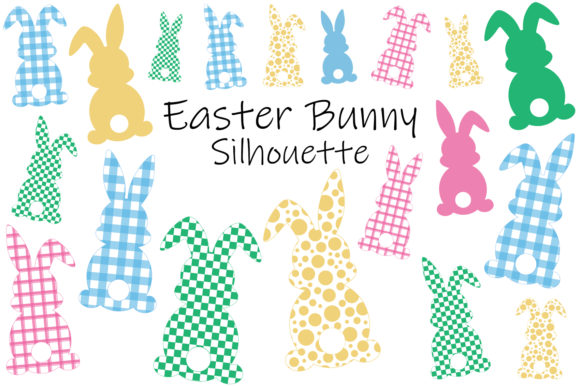
As an experienced embroidery designer and product reviewer, I often find myself evaluating how a design will translate from screen to fabric. When I first saw Easter Bunny Silhouettes. Plaid Bunnies., it struck me as a soft, elegant option with a clear visual personality—perfect for those who want to add a touch of whimsy without overwhelming the eye. The plaid pattern adds a layer of texture and nostalgia, while the bunny silhouettes maintain a minimalist charm that can adapt to various projects.
A Visual Mood Worth Considering
The Plaid Bunnies SVG has a romantic and subtle aesthetic that immediately suggests seasonal or personal gifts. It’s not overly festive but still carries the warmth of Easter themes through its gentle curves and familiar motifs. The layout is balanced, with bunnies arranged in a way that invites customization. This makes it ideal for digital scrapbooking, greeting cards, or even packaging where you want something charming yet understated.
What stands out is the attention to detail in the plaid overlay. It's delicate enough not to distract from the main subject—the bunny silhouettes—but bold enough to give the design character. As someone who values versatility in design assets, I appreciate how this file can be manipulated to suit different color schemes and styles, especially when used in commercial embroidery or handmade products.
Real-World Performance on Embroidered Products
Let’s imagine applying this design to a custom sweatshirt for a boutique line. The silhouettes would stitch cleanly, especially if using satin stitch outlines to define the bunny shapes. The plaid fill could be executed with running stitch or light fill stitch to keep the look airy and avoid overstuffing the garment. On cotton or light-weight blends, the result would be crisp and visually appealing, adding a quiet elegance to your custom apparel.
If you're an Etsy seller looking to create personalized gift items, think about how this design might work on a tea towel or pillow cover. The plaid element gives it a homespun feel, making it suitable for kitchenware or nursery decor. For baby items, the softness of the silhouette and the structured plaid background offer a nice contrast between innocence and tradition, which many parents love in handmade products.
For embroidered patches, the Plaid Bunnies could serve as a decorative accent. However, because of the intricate plaid lines, I’d recommend testing the stitch density to ensure it holds up well after multiple applications and washes. If you’re aiming for a more simplified look, consider reducing the plaid complexity or using fewer colors in the thread palette.
Design Versatility Across Projects
- Tote Bag Design: The design works well as a central graphic or border element. Its muted tone allows other embellishments or text to stand out.
- Sweatshirt Embroidery: Ideal for chest placements or sleeve accents. The plaid adds interest without being too busy.
- Baby Embroidery: Perfect for onesies or bibs, particularly when paired with pastel thread colors.
- Holiday Gifts: Adds a cozy, seasonal touch to embroidered ornaments, mugs, or tote bags.
- Commercial Embroidery: Can be used in branding for small shops or cafes with a rustic or vintage vibe.
- Digital Product Previews: Great for printable mockups like greeting cards or planner inserts, especially when sold as part of a themed collection.
Where to Use with Caution
While Easter Bunny Silhouettes. Plaid Bunnies. is versatile, there are some limitations to consider before stitching:
- Small Hoop Sizes: The plaid pattern may lose clarity if scaled down too much. Test the design at different sizes to see what looks best.
- Textured or Stretchy Fabrics: These materials can distort the fine lines of the plaid and bunny shapes. Stick to stable, non-stretch fabrics like quilting cotton or felt for better results.
- Dark Fabric Backgrounds: The plaid effect relies on visible thread color changes. On darker backgrounds, consider using white or light-colored threads to maintain the design’s subtlety.
- Curved Surfaces (e.g., Caps): The straight lines of the plaid may not flow smoothly on curved surfaces. Adjust the placement or simplify the design for such projects.
- Frequent-Wash Items: Dense stitch areas may pill or fade faster. Be sure to use quality thread and proper stabilizer for items like aprons or towels.
Practical Tips for Best Results
Before finalizing any project, always test Plaid Bunnies on scrap fabric. This lets you experiment with thread colors and stitch types. For instance, using metallic thread for the plaid lines can elevate the design’s visual appeal on lighter fabrics, but it may also increase the risk of snagging on delicate items.
Review the stitch density settings carefully. While dense stitching might make the design pop, it can also lead to puckering, especially on thin or stretchy materials. Keep the tension balanced and adjust based on fabric type.
Also, confirm the recommended hoop size if available. If not provided, start with a mid-sized hoop and scale accordingly. Inspect small details like bunny ears or corners—these should remain sharp and defined after stitching. Testing in black and white mockups can help assess how the design performs with limited thread options.
Consider whether the design fits your brand identity. The plaid theme lends itself well to cottagecore aesthetics, farmhouse brands, or eco-friendly craft shops. But if your business leans toward modern minimalism, the design may need tweaking or pairing with simpler elements to maintain brand consistency.
Impact on Customer Engagement and Brand Value
When used thoughtfully, Plaid Bunnies can enhance the visual appeal of your products and elevate their perceived value. Customers tend to respond well to designs that evoke warmth and nostalgia, which this one does subtly. It’s also effective for personalized gifts, as it offers a base that can be easily customized with names, dates, or additional flourishes.
In terms of professionalism, the design doesn’t scream “craft store,” but rather brings a curated, intentional look to your finished product. This is especially important for commercial embroidery or small shop merchandise, where a polished appearance builds customer trust.
On the flip side, if not stitched properly, the plaid pattern can appear cluttered or unbalanced. That’s why it’s essential to review the design thoroughly and test it across multiple scenarios. This helps ensure that the stitching clarity remains high, and the final product meets both your standards and your customers’ expectations.
Designer Notes for Implementation
- Always check thread color contrast against your chosen fabric. Darker threads on dark fabric won't show the plaid pattern clearly.
- Use a printable mockup to visualize how the design will look on your intended product before purchasing fabric or sending files to a client.
- Inspect design corners and small features under magnification to catch potential issues with stitch paths.
- Compare the design on both light and dark fabric backgrounds to determine its flexibility and visual impact.
- Ensure you have the correct license for selling finished items or digital embroidery files. Licensing terms aren’t included in the product description, so double-check them before commercial use.
- Confirm compatibility with your embroidery machine. File formats and machine-specific adjustments can vary, and these details aren’t listed here.
Final Thoughts for Creative Entrepreneurs
Embroidery is as much about artistry as it is about technical precision. Easter Bunny Silhouettes. Plaid Bunnies. is a design that bridges both worlds, offering a sweet, seasonal motif with enough structure to hold its own in a variety of craft business contexts. Whether you're preparing a holiday gift or planning a new line of handmade products, this design has the potential to become a signature piece—if applied correctly.
Ideally suited for digital embroidery files used in greeting cards, planners, or promotional items, it’s also adaptable for physical goods like tote bag designs or sweatshirt embroidery. Just remember to take time in the planning phase to test, adjust, and refine. Your customers—and your brand—will thank you for the extra care.