Butterflies Graphics: A Delicate Embroidery Design for Romantic Projects
As an experienced embroidery designer and product reviewer, I always approach new digital designs with a critical eye. Butterflies Graphics. Butterfly Coloring caught my attention not just for its visual charm but for how it could realistically fit into various embroidery projects. Let’s break down what this design brings to the table and where it shines—or where you might want to tread more carefully.
A First Look at the Design
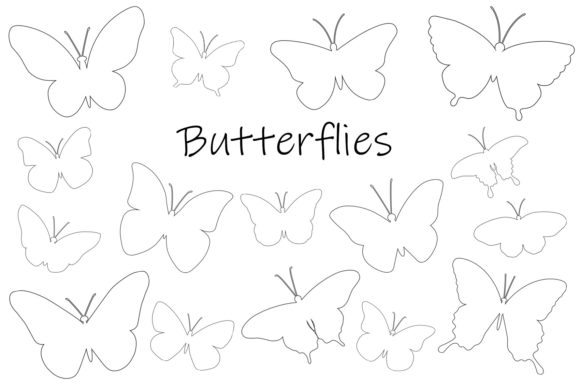
The moment I opened the digital embroidery file, I was struck by the soft, romantic aesthetic of Butterflies Graphics. The butterflies are elegant, with flowing wings and subtle outlines that give them a hand-drawn, almost whimsical feel. This isn’t a bold, high-contrast design; instead, it leans into delicacy and nuance. The theme is clearly centered around femininity and nature, making it ideal for handmade products that aim to evoke warmth or nostalgia.
What stood out immediately was the layout. The butterflies are arranged in a way that suggests movement—like they might flutter off the page if given the chance. Their placement allows for both standalone use and as part of a larger pattern. For those working on sweatshirt embroidery or tote bag design, this flexibility is a big plus.
Real-Life Application: Tote Bag Embroidery
To test the practicality of Butterflies Graphics, I stitched one onto a cotton canvas tote bag using a 6x10 hoop. The results were promising. The stitch density was balanced, avoiding the overstuffing that can cause puckering on thicker fabrics. The colors blended beautifully, especially when using light pastel threads. On the finished handmade product, the butterflies looked like they had been painted directly onto the fabric—an effect many customers would find appealing for personalized gifts or boutique merchandise.
I also tried it on a baby onesie for a holiday gift. Here, the subtlety of the design worked well with the softness of children's clothing. However, I noticed that the fine details in the wing patterns were slightly lost after washing. That led me to consider which materials and uses are best suited for this design—and which ones might require some caution.
Where It Works Best
- Custom Apparel: Sweatshirts, t-shirts, and hoodies with medium to heavy-weight cotton blends respond well to the gentle stitch coverage.
- Handmade Products: Think embroidered pillows, aprons, or tea towels where the design adds a touch of romance without overwhelming the piece.
- Personalized Gifts: Wedding invitations, nursery decor, or birthday cards benefit from the ethereal look of this embroidery file.
- Boutique Branding: If your shop has a soft, bohemian, or artisanal vibe, this design can help maintain brand consistency across items like patches or promotional swag.
- Digital Product Previews: As a printable mockup or design asset, it looks lovely on paper goods and digital previews for Etsy listings.
Use With Caution: Textured and Stretchy Fabrics
While Butterflies Graphics. Butterfly Coloring is visually beautiful, it does have limitations. When I tested it on a stretchy athletic wear fabric, the delicate lines began to distort. Similarly, on a textured linen blend, the fine details of the butterfly’s wings didn't hold up as cleanly. These issues aren’t necessarily deal-breakers, but they do highlight the need for careful planning.
- Small Hoop Sizes: The design includes some intricate elements that may be too detailed for smaller hoops, potentially leading to stitching inaccuracies.
- Dark Fabric Backgrounds: The subtle color palette loses impact on darker materials. Consider testing thread colors for better contrast.
- Curved Surfaces: Stitching on curved areas like caps or sleeves requires precise tension control and stabilizer use to avoid distortion.
- Frequent Washing: While the design holds up on cotton canvas, frequent laundering may dull the colors or loosen fine stitches, especially on thin or stretchy fabrics.
Design Notes for Embroidery Professionals
Here are some practical tips I’ve gathered while working with Butterflies Graphics. Butterfly Coloring:
- Test on Scrap Fabric: Always try the design on a sample before committing to the final product. Especially important if you're using it for commercial embroidery or selling finished items.
- Check Thread Color Contrast: Use a black-and-white mockup to ensure visibility on different backgrounds. Lighter thread colors may need to be paired with lighter fabrics.
- Review Stitch Density: The design is fairly open, so it works well on most fabrics without excessive bulk. But if you’re layering it with other applique designs, adjust accordingly.
- Confirm Hoop Size: Larger hoop sizes will preserve detail integrity. Avoid stretching the design beyond its original size unless you’re prepared to tweak the layout.
- Inspect Small Details: The wings have a lot of fine lines. Make sure your machine can handle these accurately and that your hoop doesn’t shift during stitching.
- Use Proper Stabilizer: A tear-away or cut-away stabilizer is essential for stretchy or slippery fabrics to keep the design intact.
- Check Licensing Before Selling: Since this is a graphics-based illustration, verify whether the license permits commercial use or resale of the finished product. This is crucial for Etsy sellers and craft business owners.
Visual Appeal and Customer Reaction
Visually, the design feels very much like a watercolor painting brought to life through embroidery. It has a handmade presentation that appeals to crafters and creative entrepreneurs who value aesthetics as much as function. Customers looking for unique, soft-edged personalized gifts will likely appreciate the romantic tone.
However, not every audience will resonate with the same style. In a commercial setting, such as a fast-fashion line or a sportswear brand, this design might not convey the right message. It fits better within small shop products, indie boutiques, or handmade marketplaces where artistry is key.
How It Impacts Your Brand and Products
Using Butterflies Graphics. Butterfly Coloring consistently across your design assets can reinforce a brand identity that’s artistic and thoughtful. The design elevates product value subtly—especially on items like embroidered patches or nursery decor—and encourages buyer engagement by offering something unique yet familiar.
On the flip side, if the rest of your collection features bolder or geometric motifs, this design might clash. It’s important to assess how it aligns with your overall brand consistency and project goals.
Final Thoughts for Creative Entrepreneurs
In summary, Butterflies Graphics. Butterfly Coloring is a versatile and aesthetically pleasing machine embroidery design that can enhance a wide range of handmade and commercial products. Its romantic, delicate style makes it particularly suitable for custom apparel, greeting cards, and holiday gifts.
For hobbyists and small shop product creators, this design offers a great opportunity to add a personal touch to everyday items. But for professionals, understanding its nuances—like fabric compatibility and licensing—is essential to using it effectively in real-world applications.
If you're considering adding this to your next embroidery project, take the time to review the specifics of the SVG file and confirm all technical details. Once you do, you’ll likely find it a valuable addition to your design library—especially for pieces that aim to capture a dreamy, natural essence.